On February 13, I visited a local school during Black History Month as a featured African American author. I expected to read from my book and speak about digital safety. What I did not expect was to leave with one of the most meaningful leadership lessons of my career.
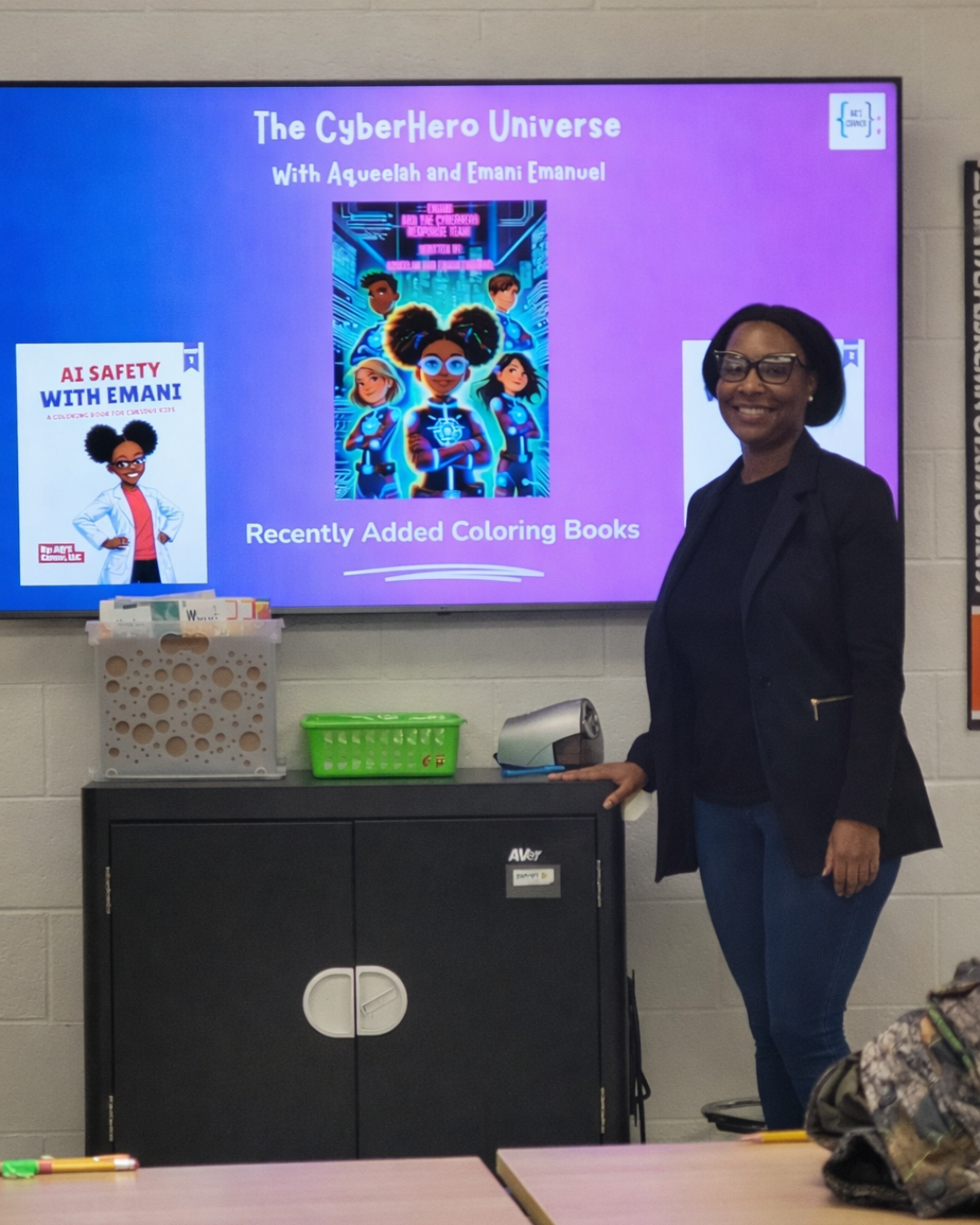
I deliver digital safety and AI leadership sessions in schools and community-based youth programs, working with children in both academic and informal learning environments. In these sessions, I do not simply warn children about online risks. We explore emotional decision-making, identity, and how to respond when someone tries to diminish us online. Through interactive activities, students step into the role of cybersecurity and AI experts, learning to think critically, regulate their reactions, and lead with intention rather than impulse.
During this particular visit, I shared a personal experience. At one point in my journey, someone publicly criticized my book in a dismissive and discouraging way. It was not thoughtful feedback. It was someone telling me to remove my work from the internet and implying it did not belong there.
In that moment, I had options. I could respond defensively. I could argue. I could escalate.
Instead, I chose to continue building. I kept posting about my book. I kept developing my business. I stayed focused on forward momentum rather than reaction.
That decision became part of the lesson.
I often tell students that we do not have to respond to everything. Not every comment deserves our energy. Sometimes the most powerful response is disciplined progress.
I have shared this story before in classrooms and community-based youth programs across different settings, but on February 13 something shifted.
The fifth graders did not simply listen. They engaged deeply. They offered encouragement. One student told me I needed to understand my own power. Another reminded me not to let someone else define who I am. As the session ended, several students made a point to tell me it would be okay.
Their empathy was immediate and sincere.
That moment reinforced something intentional in my workshops: connection between generations. Children often assume adults are unaffected by online negativity. When they realize that grown-ups also navigate criticism and digital hostility, something changes. They speak more freely. They feel less judged. They recognize that resilience is learned, not automatic.
One of the core lessons I teach is simple: we decide who we want to be online.
The person who criticized my book made a decision about how they would show up. I made a decision as well. I chose not to mirror negativity. I chose growth over retaliation.
That decision mattered.
It led to more opportunities. More classrooms. More youth programs. More conversations. Including that one. Including those fifth graders who modeled empathy at a level many adults struggle to demonstrate.
We often tell children to be kind online. But kindness is not passive. It is emotional regulation. It is intentional restraint. It is encouragement instead of escalation.
On February 13, I arrived as the author and instructor. I left reminded that leadership is not one-directional. Sometimes we teach children. Sometimes they remind us of our strength.
Digital safety education is not just about protecting children from harm. It is about helping them build identity, resilience, and decision-making skills that extend far beyond the screen.
That day, a classroom of fifth graders demonstrated exactly what that looks like.
And I will carry that lesson forward.
Schools and community organizations interested in bringing interactive digital safety and AI leadership sessions to their students can learn more about available programs and partnerships at https://aqscorner.com/services/.





 AQ'S Corner
Leave a comment