
Photo Credit: Pixabay
☎️ The Women Behind the Beep and How the Pager Era Shaped the Way We Communicate Today
Before there were DMs, typing bubbles, or instant replies, there was a moment in time when sending a message took patience and a calm, steady voice on the other end of an 800 number.
You didn’t just text someone. You spoke your words out loud, trusted a stranger to type them, and waited for the beep that meant your message had landed.
It was communication at human speed, intentional, imperfect, and surprisingly intimate.
📟 The Golden Age of the Beep
The late 80s and 90s were the golden years of the pager, that small black rectangle clipped to a belt or tucked in a pocket that meant you were somebody.
Doctors had them. DJs had them. Teenagers begged their parents for them.
A pager wasn’t just a gadget, it was a lifeline, a status symbol, a connection.
You’d pick up a phone (probably attached to the wall), dial that 800 number, and wait for the voice.
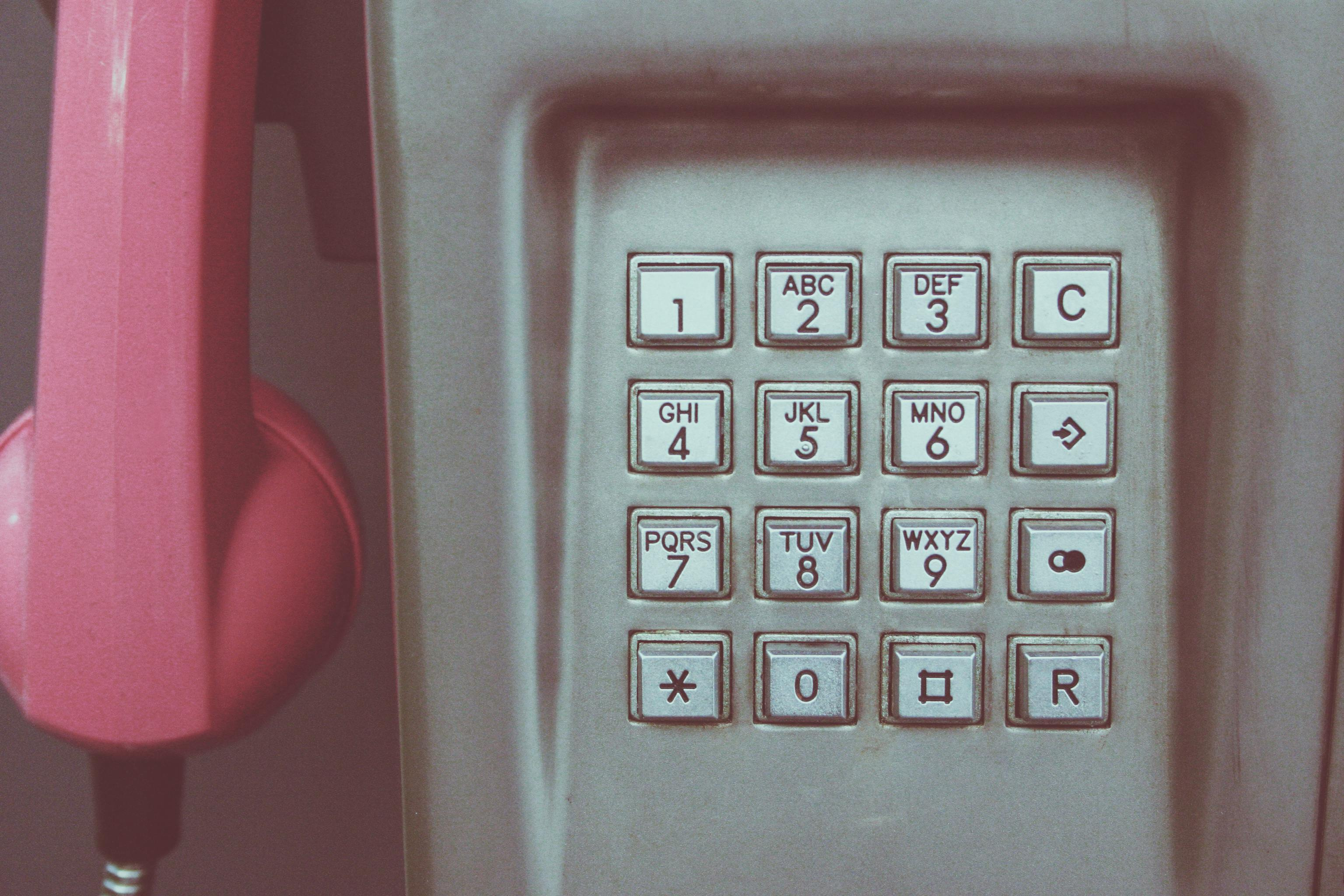
And there she was, patient, polite, professional.
“This is the messaging service. What’s your message?”
And for a moment, everything felt official.
You’d take a breath and say what needed saying, or what you maybe shouldn’t say at all.
“Uh… tell him to call me back… but don’t say it’s about that mixtape situation.”
She’d type it up, probably smirk a little, and with a few keystrokes your words were on their way, flying through radio waves to buzz in someone’s pocket.
The Women Who Kept the World Talking
Those women were the original digital intermediaries, the invisible connectors before algorithms, apps, and typing indicators took their place.
Nearly every paging operator was a woman.
They listened to everything; love notes, emergencies, gossip, and pure chaos, and handled each message like it was the most important one of the day.
They didn’t roll their eyes, lecture, or filter.
They simply delivered.
And that made your words matter.
Because when another human is typing what you say, you think before you speak. You mean what you send.
🌀 Two Beeps and the Truth
If your message ran long, it arrived in two bursts, the legendary “two-page special.”
One beep for the setup.
Another for the punchline, confession, or apology.
We didn’t realize it then, but those two beeps were the ancestors of our notifications, our pings, dings, and buzzing reminders that someone, somewhere, wanted our attention.
📱 From Operators to Algorithms
Fast forward to today.
Now our pockets light up constantly. Slack messages, Teams chats, emojis, and pings from apps we don’t even remember installing.
We’re more connected than ever, but not always to each other.
The operator era forced us to pause.
It made us choose our words carefully because someone was listening.
It made us mean them because we couldn’t unsend.
Back then, every message carried weight.
Now, we chase speed.
We type before we feel.
We send before we think.
It’s ironic, communication got easier, but connection got harder.
❤️ The Real Message
Those women, the unseen hands behind the switchboards and paging terminals, were the heartbeat of our messages long before Wi-Fi ever existed.
They didn’t have read receipts, but they carried stories, secrets, and sentiment with grace.
They proved that technology connects us, but people give it meaning.
So the next time your phone pings, stop for a second.
Remember that once upon a time, it took two beeps, one operator, and a whole lot of trust just to say:
“Call me back.”
🕰️ A Quick History of the Beep That Connected a Generation
In the 1990s, pagers also known as “beepers”, ruled the communication world. They were compact, dependable, and surprisingly affordable. Companies like SkyPager, SkyTel, and PageNet competed fiercely to keep the world connected, one buzz at a time.
How It Worked:
- A caller would dial a pager number or an 800 service line.
- For numeric pagers (like SkyPager), they’d punch in a callback number.
- For operator-assisted systems (like SkyTel and many regional services), a live representative, often a woman who would take the message, type it, and transmit it instantly.
Key Features:
- One-Way Communication: Pagers could receive but not send. You had to find a phone to respond.
- Alphanumeric Displays: Later models could show short text messages, expanding beyond simple numbers.
- Cultural Impact: Pagers became fashion statements and cultural icons, worn by doctors, high schoolers, and hip-hop stars alike.
- Affordability: Around $50 for the device and $10–$15 per month for service, far cheaper than early mobile phones.
By the late 1990s, pagers began to fade as mobile phones and SMS texting took over.
But the legacy of that era, the patience, the presence, and the humanity behind every message, still echoes in how we connect today.
As an ’80s kid, I’ll always believe we lived through the best era; when connection took effort, and every beep meant something.
Somebody just paged me, “Hello”

Photo Credit: AQ’S Corner LLC



 AQ'S Corner
Leave a comment